
Chimney Masonry Repair
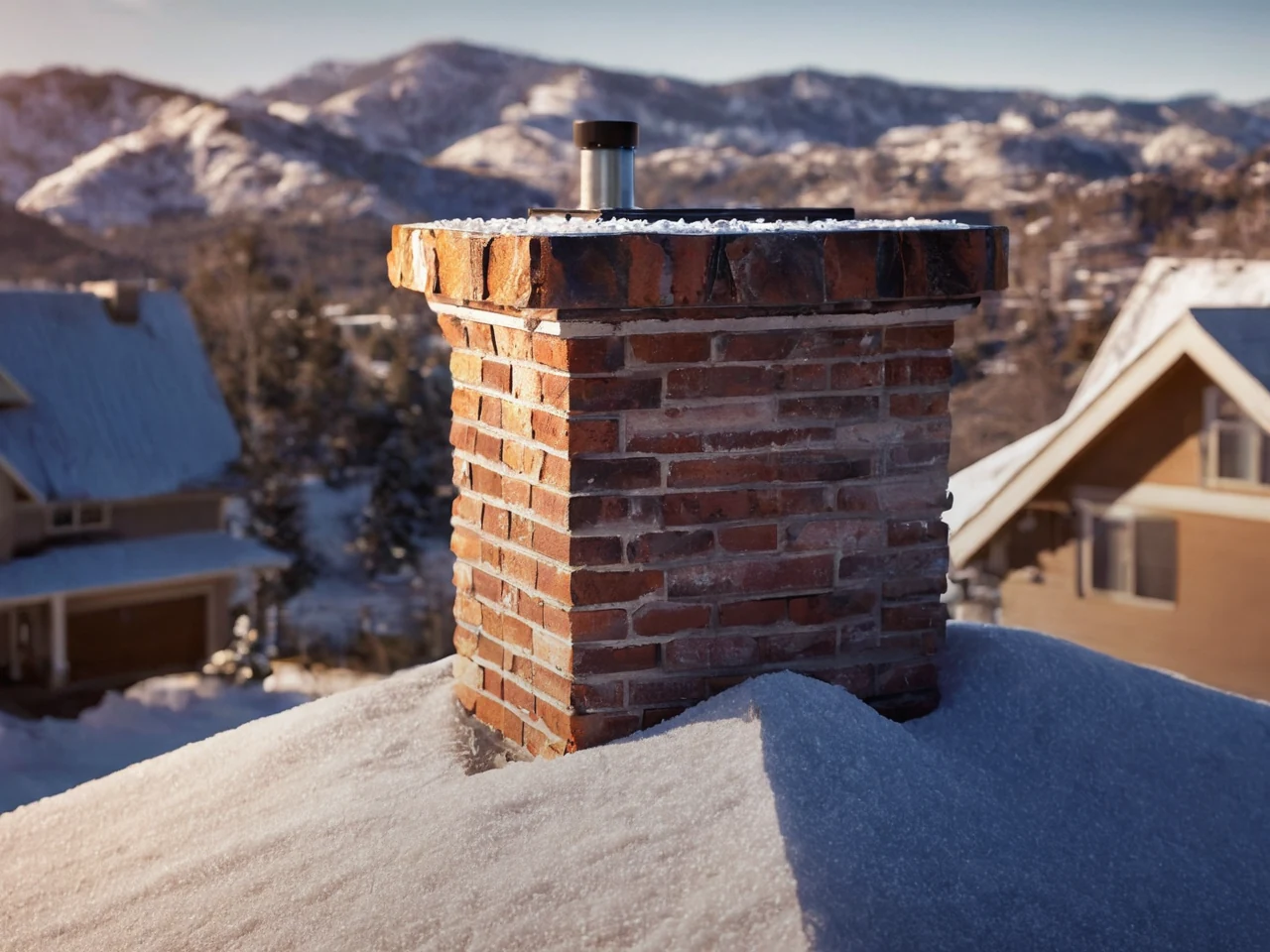
Weathered chimney brick, failing mortar, visible crown or cap deterioration, and masonry above the roofline.
Chimney repair details
Built for Utah winters
Cracked brick, failing mortar, or a weathered chimney? Start with a practical masonry assessment and a repair plan built around your property.
Winter weather and masonry
Water can enter open mortar joints and porous masonry. Repeated freezing and thawing may add stress, and winter light can make older cracks, staining, or missing mortar easier to notice.
Chimney crowns, caps, parapets, and other exposed horizontal surfaces see weather directly. A visible crack does not by itself mean structural failure; the material, location, and surrounding work matter.
Rock'n-It serves Weber, Davis, Salt Lake, and Utah Counties, including projects in Sugar House and Midvale. The company has no office claim for either neighborhood.
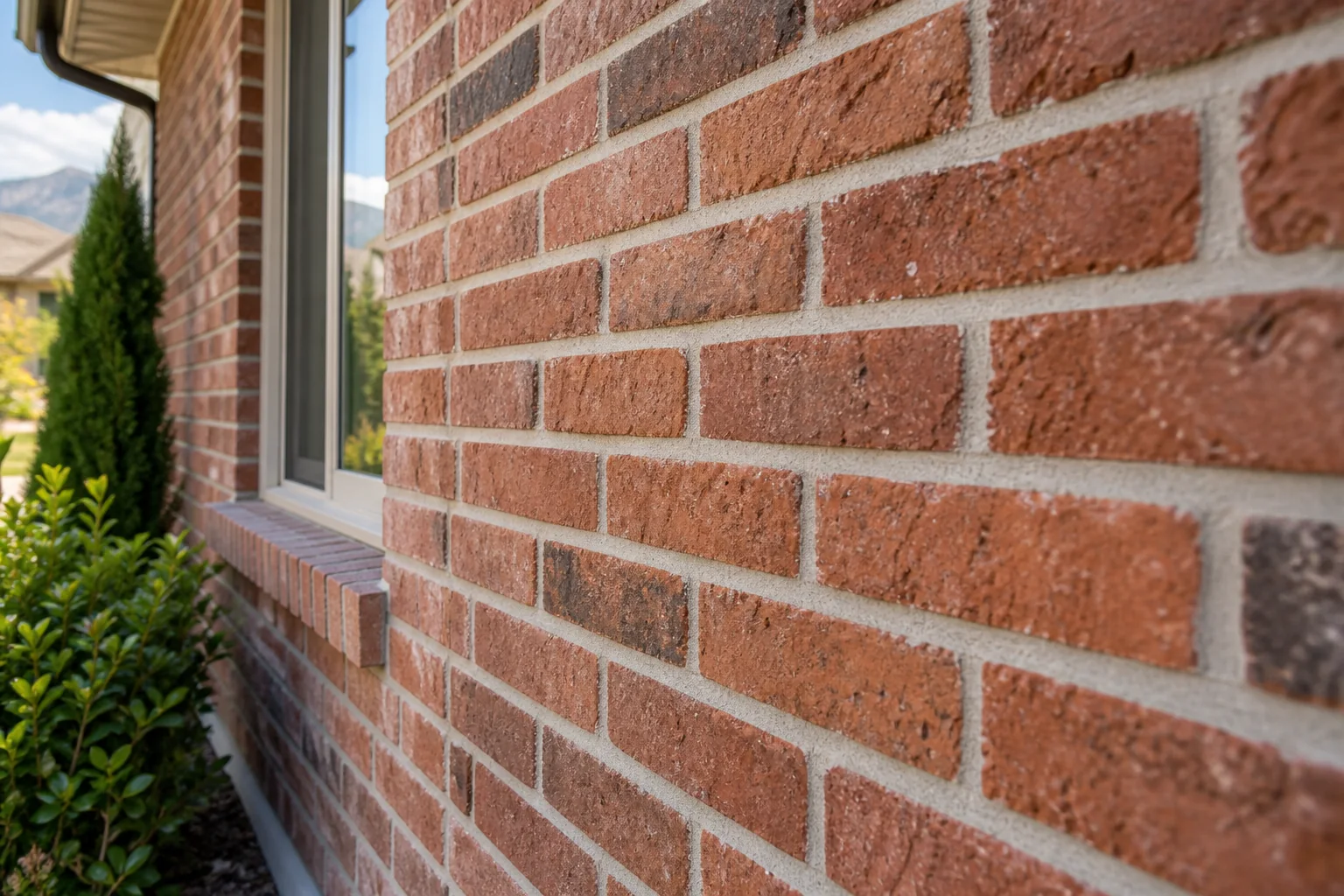
Repair options
Weathered chimney brick, failing mortar, visible crown or cap deterioration, and masonry above the roofline.
Chimney repair detailsOpen joints and deteriorating mortar, with compatible repointing considered for the existing masonry.
Mortar repair detailsDamaged units, localized replacement, and selective repair or rebuilding where the condition calls for it.
Brick repair detailsCracked caps, damaged masonry walls, exposed joints, and weathered masonry features around the home.
Stone repair detailsOlder brick, sandstone, specialty materials, mortar compatibility, and preservation-minded repair.
Historic restoration detailsMasonry deficiencies identified during property inspections, a purchase or sale, or planned renovation.
Inspection support detailsA practical first look
If masonry appears loose or could fall, keep clear of the area and seek a qualified on-site assessment. Do not climb or approach unstable masonry to inspect it.
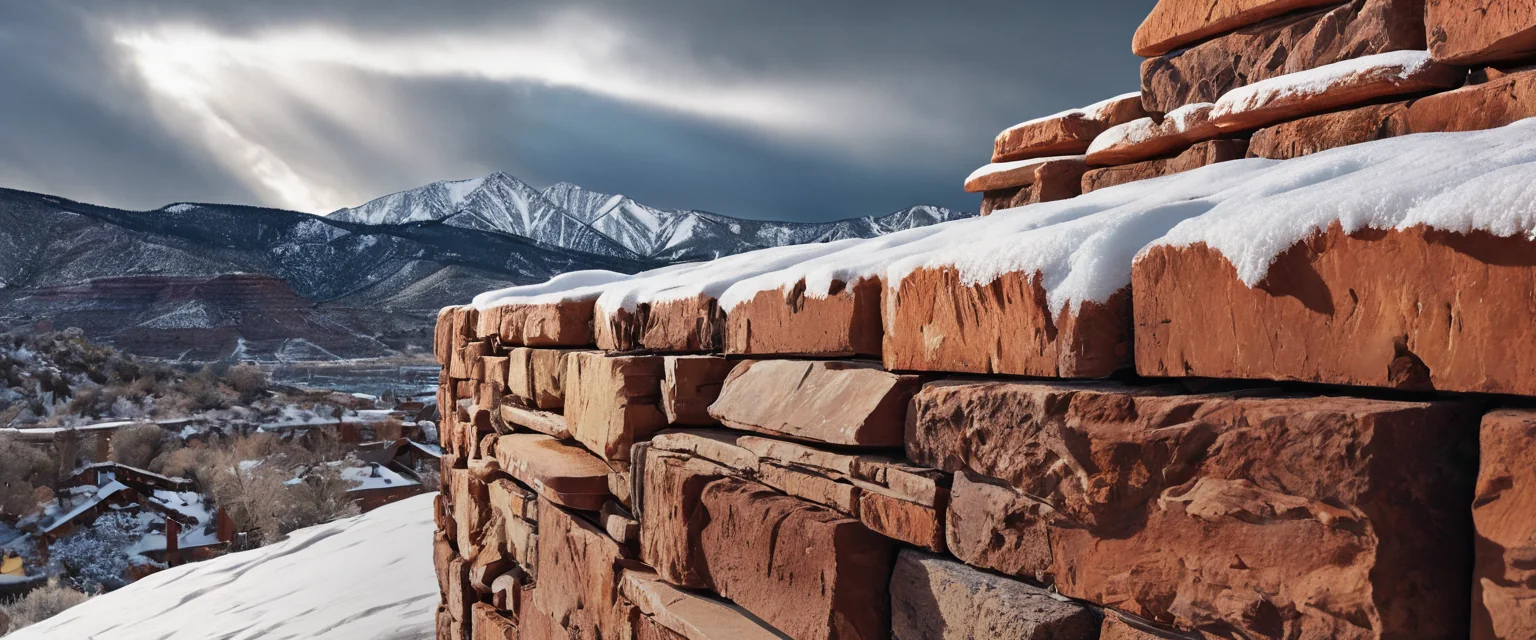
Older brick, stone & sandstone
Older Utah homes can call for a closer look at material condition, brick and stone matching, mortar compatibility, sandstone characteristics, and existing joint profiles. Selective repair can help retain architectural continuity where broader replacement is unnecessary.
For more on specialty materials and preservation-minded work, visit Historic Masonry Restoration.
A clear next step
Send photos, the property location, and a brief description through the existing estimate form.
Discuss visible conditions, access, materials, and whether an on-site assessment is needed.
Set priorities, scope, scheduling, and any weather-dependent requirements before work begins.
Existing Rock'n-It work
Browse existing repair examples. Generated seasonal artwork on this page is illustrative and does not represent a completed customer project.
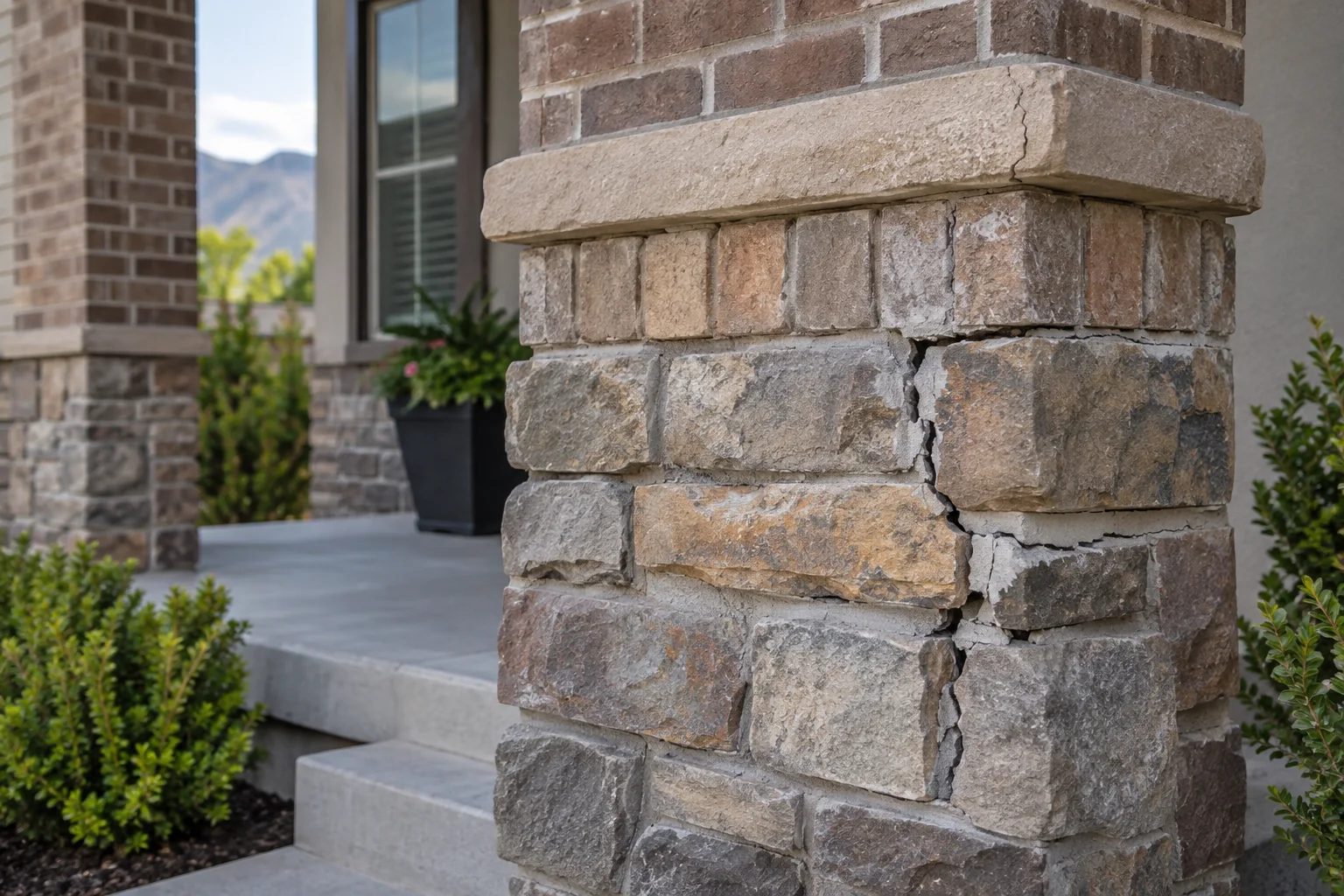
Before & after
Failed mortar can be cut out and repointed so the brick face looks tight and protected again.
Before & after
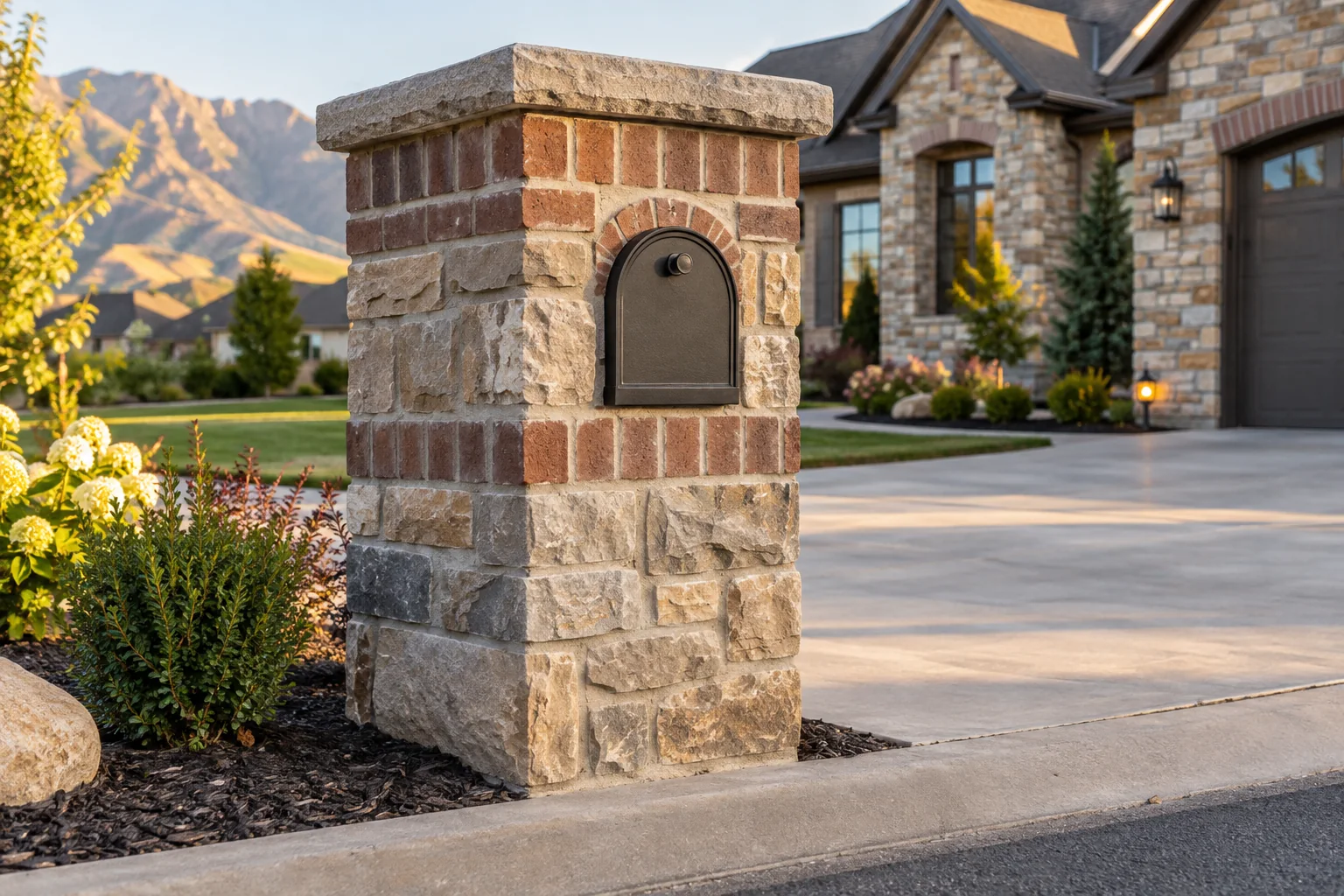
A damaged curbside feature can be rebuilt into a clean, stable property detail.
Practical answers
Some assessment, planning, and repair work may be possible in winter. Exterior mortar work depends on the material, air and surface temperatures, protection, access, and forecast. We will discuss whether the conditions allow the specific repair or whether scheduling it for milder weather is the sounder choice.
Water can enter open joints or porous masonry. When that moisture freezes and thaws, it can contribute to wear over time. A visible crack or stain alone does not establish the cause; the material and surrounding conditions need to be considered.
Often, visible chimney masonry can be reviewed before spring. Photos can help start the conversation, and an on-site assessment may be needed to understand access, the crown or cap, and the condition above the roofline.
No. Cracks can have different causes and levels of significance. The appropriate next step depends on the location, pattern, material, movement, moisture exposure, and surrounding masonry.
Rock'n-It handles older and specialty masonry with attention to material condition, matching, mortar compatibility, joint profile, and the character of the existing work. See the Historic Restoration page for more detail.
Share the property city, a short description of the concern, when you first noticed it, and clear photos from a safe distance. Include a wider view and closer details when practical. Do not climb onto a roof or approach loose masonry to take a photo.
A practical plan for your property
Tell us what you're seeing, where the property is located, and when you're hoping to address it.